
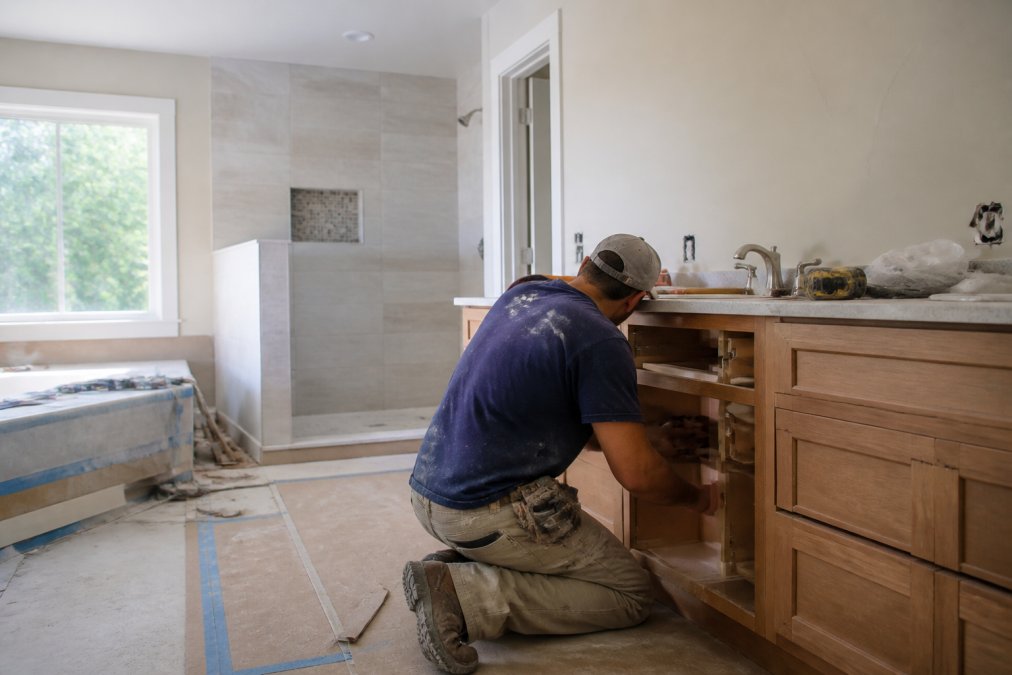
 comparison
Mr. Handyman vs. Local Contractors in Greer for Bathroom Remodels
Table of Contents
- Mr. Handyman vs. Local Contractors: What Homeowners in Greer Need to Know
- Hiring a Handyman vs. General Contractor for Renovations
- South Carolina Residential Contractor Licensing Requirements
- Bathroom Renovation Permit Requirements in Greer, SC
- Project Timeline and Craftsmanship Expectations
- How to Choose Between Mr. Handyman and Local Contractors
- Frequently Asked Questions
Last Updated: September 21, 2026
Mr. Handyman vs. Local Contractors: What Homeowners in Greer Need to Know
When it comes to bathroom remodels in Greer, homeowners face a critical choice: hire a franchise handyman service or work with bathroom remodel contractors Greer residents trust locally. The decision shapes your project timeline, final cost, and whether your bathroom actually meets building code. This guide breaks down how Mr. Handyman compares to local contractors in the Greer area for bathroom remodels, so you can choose the right fit for your home.
Hiring a Handyman vs. General Contractor for Renovations
The core distinction between a handyman and a general contractor determines what work each can legally perform on your bathroom renovation. Understanding this boundary prevents costly mistakes, code violations, and liability exposure.
Scope of Work and Project Complexity
A handyman handles repairs and minor installations: replacing fixtures, patching drywall, painting, and simple plumbing or electrical work within existing systems. A general contractor manages full-scale renovations involving structural changes, new plumbing or electrical runs, and coordination of multiple trades.
Bathroom remodels fall into two categories, but the line between them is sharper than most homeowners realize:
Handyman-Appropriate Projects:
- Replacing an existing vanity with a new one (no plumbing relocation)
- Installing new tile over existing walls (no structural changes)
- Replacing fixtures like faucets, towel bars, or light fixtures
- Painting, caulking, or minor drywall patching
- Replacing a toilet in its existing location
- Installing a new mirror or medicine cabinet
General Contractor-Required Projects:
- Relocating plumbing lines (moving the toilet, sink, or shower to a new location)
- Adding new electrical circuits or moving outlets
- Removing or modifying walls
- Replacing the shower pan or tub (often requires plumbing and structural work)
- Upgrading ventilation or adding a new exhaust fan with ductwork
- Addressing water damage, mold, or rotting subfloors
- Installing a walk-in shower or spa tub that requires new plumbing rough-in
- Any work that requires building permits
Why the Distinction Matters
This boundary exists for legal and safety reasons. In South Carolina, general contractors must be licensed because they coordinate multiple trades, manage building code compliance, and assume liability for the entire project. Handymen operate under a narrower scope because their work doesn't involve the same level of coordination or code risk.
Hiring a handyman for work that requires a contractor creates three problems:
-
Code violations, Unlicensed workers may not know current code requirements. Improperly relocated plumbing, electrical work that doesn't meet code, or structural changes without proper support can fail inspection and create safety hazards.
-
No recourse if something goes wrong, A handyman typically carries minimal insurance and no bonding. If they damage your home, abandon the project, or do shoddy work, you have limited legal protection. A licensed contractor's insurance and bond protect you.
-
Resale complications, When you sell your home, the buyer's inspector will flag unpermitted or code-violating work. You'll be forced to hire a licensed contractor to tear out and redo the work correctly, costing far more than doing it right the first time.
How to Determine Your Project's True Scope
Before contacting anyone, write down every change you want:
- Is plumbing being moved? (Requires contractor)
- Are electrical outlets being relocated or new circuits added? (Requires contractor)
- Are walls being removed or modified? (Requires contractor)
- Is the shower or tub being relocated? (Requires contractor)
- Is there visible water damage, mold, or soft subfloor? (Requires contractor)
- Does your city require a permit for this work? (If yes, requires contractor)
If you answer "yes" to any of these, you need a licensed general contractor, not a handyman. If you're unsure, ask a licensed contractor for a free assessment. That 15-minute conversation prevents thousands of dollars in mistakes.
Service Area and Availability
Mr. Handyman operates as a franchise with multiple locations across South Carolina. Local contractors in Greer typically serve a tighter geographic radius, often just the immediate area. This affects response time, scheduling flexibility, and whether they'll take your project seriously if you're on the edge of their service territory.
Franchise services maintain standardized scheduling. Local contractors often work on a first-come, first-served basis, which can mean longer waits during peak seasons. However, local contractors build reputation within a tight community. A bad job in Greer spreads fast. That's leverage you have as a homeowner.
South Carolina Residential Contractor Licensing Requirements
South Carolina requires general contractors to hold a license for residential construction projects exceeding certain thresholds. Handymen operate under different rules depending on the scope of work. Knowing what's legally required protects you from unlicensed work and liability exposure.
According to South Carolina's Department of Labor, Licensing and Regulation, general contractors performing residential construction must obtain a license. The state defines residential construction as work on single-family homes, duplexes, and multi-family properties under four units.
Handymen in South Carolina are not required to be licensed for minor repairs and maintenance. However, if a handyman performs work that exceeds the scope of "general repair," they may need licensing. The line is blurry, which creates risk for homeowners who hire unlicensed workers for complex jobs.
Before hiring anyone for your bathroom remodel in Greer, ask for their license number. Verify it directly with the state.
Insurance and Bonding Standards
Licensed contractors must carry liability insurance and often maintain a performance bond. This protects you if the contractor abandons the project, damages your home, or fails to pay subcontractors. An uninsured contractor's mistake becomes your financial problem.
Bathroom Renovation Permit Requirements in Greer, SC
Greer requires permits for most bathroom renovations. Skipping the permit process saves time upfront but creates problems when you sell the home or file an insurance claim. Many homeowners regret this decision later.
How to Obtain a Permit in Greer
The City of Greer Building & Development Services office (located in Greer's municipal center) processes residential permits. Here's the typical process:
-
Submit an application, You or your contractor must complete the City of Greer Residential Permit Application and provide detailed plans showing the scope of work, materials, and any structural or mechanical changes.
-
Plan review, The building department reviews your plans against the International Residential Code (IRC) and Greer's local amendments. This step typically takes 5-10 business days. If the plans don't meet code, you'll receive a list of required revisions.
-
Receive permit and pay fees, Once approved, you pay the permit fee (typically $50-$150 for a bathroom remodel, depending on project cost) and receive your permit card.
-
Schedule inspections, Your contractor must schedule inspections at key stages: rough plumbing, rough electrical, and final inspection. Each inspection must pass before the next phase of work begins.
-
Final sign-off, Once all inspections pass, the building department issues a Certificate of Occupancy or final approval, and your work is officially complete and code-compliant.
Project Timeline and Craftsmanship Expectations
Bathroom remodels take time. A small update runs 2-3 weeks. A full renovation takes 6-8 weeks. Timelines slip when contractors discover hidden damage, material delays occur, or inspections reveal code issues.
How to Choose Between Mr. Handyman and Local Contractors
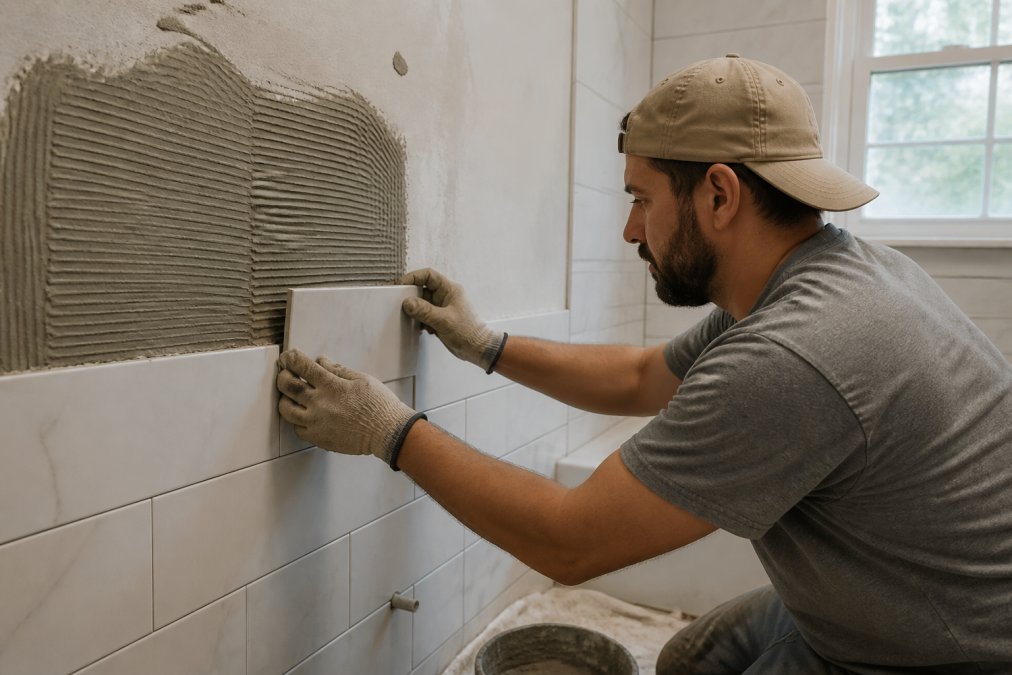
The decision hinges on your project scope, budget, and timeline. A minor bathroom refresh works with a handyman. A full renovation requires a general contractor. Your choice determines whether the work stays on schedule and meets code.
Evaluating Customer Reviews and Service Reputation
References reveal more than online reviews. Ask for three homeowners who completed similar bathroom projects. Call them. Ask whether the contractor showed up on time, stayed within budget, and stood behind the work if problems emerged later.
Transparent Pricing and Cost Estimation
A detailed estimate breaks down labor, materials, and timeline. Vague estimates hide problems. A contractor who won't itemize costs may be hiding low-quality materials or unrealistic labor projections.
| Service Type | Best For | Timeline | Cost Structure |
|---|---|---|---|
| Handyman (Mr. Handyman or local) | Minor repairs, fixture replacement, updates | 2-3 weeks | Hourly or fixed per task |
| General Contractor (local) | Full renovations, structural changes, code compliance | 6-8 weeks | Project-based with contingency |
Frequently Asked Questions
What's the difference between a handyman service and a general contractor for bathroom remodels in South Carolina?
A handyman typically handles smaller repairs and minor updates, replacing fixtures, painting, simple plumbing fixes, without a general contractor's license. A general contractor manages larger bathroom renovation projects, coordinates subcontractors, handles permits, and ensures compliance with building codes. For full bathroom remodels involving structural work, plumbing relocation, or electrical upgrades, a licensed general contractor is required in South Carolina.
Does a bathroom remodel in Greer require a building permit from the city?
Yes. Most bathroom remodels in Greer require a building permit, especially if they involve plumbing, electrical work, or structural changes. Permits ensure work meets local building codes and protects your home's safety and resale value. Minor cosmetic updates like painting or fixture replacement may not require permits, but it's best to confirm with Greer's building department before starting. Licensed contractors know permit requirements and handle applications for you.
Are handyman services in Greer, SC licensed and insured for major bathroom renovations?
Not all handyman services carry contractor licensing for major renovations. Handymen often hold service licenses for specific trades (plumbing, electrical) but may not hold a general contractor license required for full remodels. Verify licensing through South Carolina's Department of Labor, Licensing and Regulation. Insurance is separate, always confirm a contractor carries general liability and workers' compensation insurance before hiring, regardless of whether they're a handyman or general contractor.
How do I verify the credentials of a home improvement contractor in Greer?
Check the South Carolina Department of Labor, Licensing and Regulation website to confirm a contractor's license status, expiration date, and any complaints. Ask for proof of general liability insurance and workers' compensation coverage. Request references from recent bathroom remodel projects in Greer and follow up with those customers. A reputable contractor will provide this information without hesitation and explain their experience clearly.