
 ultimate-guide
Bathroom Remodel Timeline: A 2026 Guide
Table of Contents
- How Long Does a Bathroom Remodel Take?
- Understanding Bathroom Remodel Phases
- Bathroom Renovation Permit Requirements in South Carolina
- Bathroom Remodel Material Lead Times and Availability
- Factors That Influence Your Project Duration
- Living Through Your Bathroom Remodel
- Creating a Realistic Project Schedule
- Frequently Asked Questions
Last Updated: September 18, 2026
How Long Does a Bathroom Remodel Take?
A typical bathroom remodel timeline ranges from 4 to 8 weeks, depending on project scope and local conditions. At HOME MEDICS LLC, we guide homeowners through bathroom renovations in Greer and the surrounding Upstate area. Understanding which phases take longest and where delays occur helps answer the most common question: "When can I use my bathroom again?"
The timeline breaks into distinct phases: design and planning, permitting, demolition, rough-in work, finish work, and final installation. Permitting alone can add 2-4 weeks. Material lead times for specialty items extend projects by 1-3 weeks, and hidden structural problems discovered during demolition can add 1-2 weeks.
Most homeowners underestimate the rough-in phase. Plumbing, electrical, and HVAC work must pass inspection before drywall installation, and scheduling inspections with the local building department takes time.
Understanding Bathroom Remodel Phases
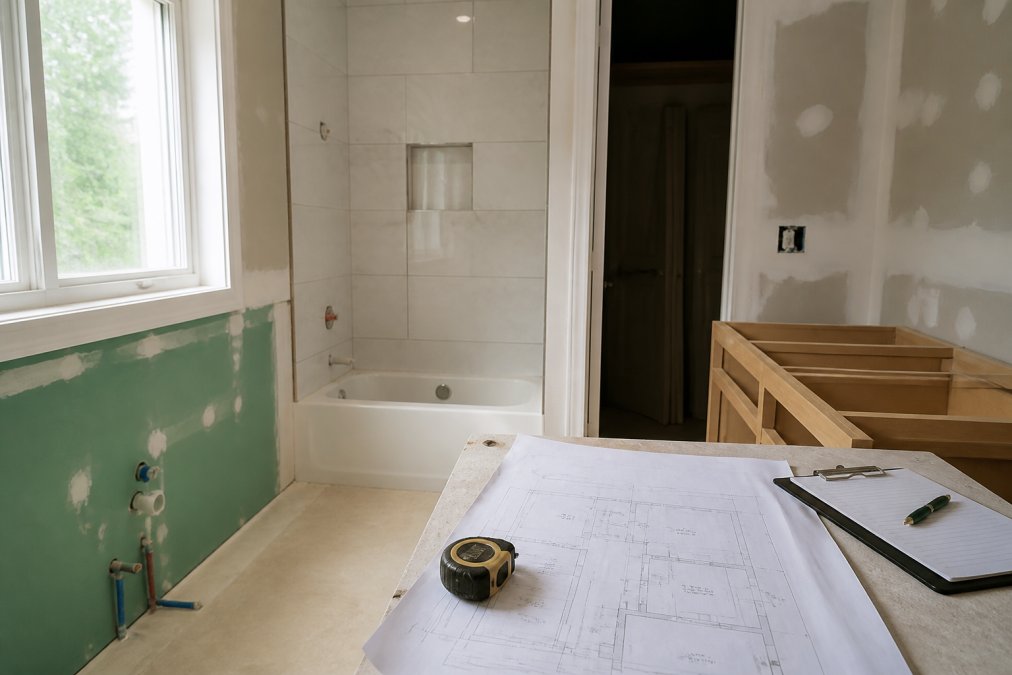
Breaking down your bathroom remodel into phases helps set realistic expectations. Each phase has specific dependencies, and understanding them prevents frustration when work doesn't move as quickly as you'd hoped.
Design and Planning
Design and planning typically takes 2-4 weeks. This phase finalizes the layout, selects materials, and establishes project scope. Rushing it almost always costs more time later when mid-construction changes are needed.
During design, you'll work with your contractor to establish layout, select fixtures, choose finishes, and confirm electrical and plumbing locations. Many homeowners make changes during construction because they didn't fully commit to the design upfront; each change order delays the project by several days.
The design phase includes detailed measurements, understanding existing conditions, and identifying potential structural issues. A thorough walk-through prevents surprises later, especially in older homes where water damage or structural issues may surface.
Permitting and Inspections
Permitting and inspections in Greer typically take 2-4 weeks, depending on the local building department's workload. This phase cannot be rushed and is commonly underestimated.
Your contractor submits plans for review against local codes. If revisions are needed, resubmission adds 1-2 weeks. Once approved, inspections are scheduled at key milestones: after demolition, after rough-in, after drywall, and before final sign-off.
Scheduling inspections depends on inspector availability. In busy seasons, expect 5-7 day waits. Failed inspections require corrections before the next appointment. Most projects require 3-4 inspections total.
Demolition and Prep Work
Demolition and prep work typically takes 3-5 days, though older bathrooms or those with structural issues take longer. What you discover during removal often determines how much additional time the project needs.
During demolition, fixtures, flooring, drywall, and cabinetry are removed. Once walls are exposed, hidden problems often surface: water damage, mold, rotted subfloor, or compromised framing. A 3-day demolition can become a 7-day project if subfloor replacement is needed.
Hazardous materials like asbestos or lead paint require certified removal, adding 3-5 days if discovered. The contractor also prepares the space for rough-in work by ensuring structural framing is sound and addressing water damage.
Rough-In Work
Rough-in work (plumbing, electrical, and HVAC) typically takes 5-7 days but depends heavily on inspection scheduling. This phase cannot proceed until rough-in inspection passes. Failed inspections delay the project by 3-5 days minimum.
Plumbing rough-in runs supply lines and drain pipes to final locations. Electrical rough-in runs circuits, outlets, and lighting. HVAC rough-in ensures proper ventilation to prevent moisture damage. All work must be precisely located and inspected before drywall installation.
Scheduling the rough-in inspection often takes 5-7 days. If corrections are needed, another 5-7 day wait follows. This phase is where many projects slip because homeowners don't anticipate inspection delays.
Drywall and Moisture-Resistant Board Installation
Drywall and moisture-resistant board installation typically takes 3-5 days. Bathrooms require moisture-resistant drywall in wet areas to prevent mold and water damage.
After rough-in inspection passes, drywall is hung, taped, mudded, and sanded (2-3 days). Moisture-resistant board requires additional sealing and waterproofing before tile installation.
Tile, Flooring, and Finish Work
Tile and flooring work typically takes 5-7 days, depending on layout complexity and bathroom size. Intricate patterns or large-format tiles take longer than simple layouts. Tile is set with thin-set mortar, cured, then grouted and sealed.
After tile cures (24-48 hours), grouting begins.
Fixture Installation and Final Trim
Fixture installation typically takes 2-3 days. The vanity, toilet, faucets, mirrors, lighting, and hardware are installed and must be level, secure, and properly connected to plumbing and electrical.
Bathroom Renovation Permit Requirements in South Carolina
Bathroom renovations in South Carolina require permits for structural changes, plumbing, electrical, or HVAC modifications. Greer follows South Carolina's building code standards.
Bathroom Remodel Material Lead Times and Availability
Material lead times significantly affect your bathroom remodel timeline. Custom vanities, specialty tile, and high-demand fixtures often have lead times of 4-8 weeks or longer, extending projects by 2-4 weeks or more.
Factors That Influence Your Project Duration
Several factors directly impact how long your bathroom remodel takes. Understanding these variables helps you set realistic expectations and plan accordingly.
Scope of Work and Complexity
Scope of work is the primary driver of project duration. A cosmetic update takes 4-6 weeks. A gut remodel with plumbing relocation, electrical changes, and structural work takes 8-12 weeks or longer.
Contractor Availability and Scheduling
Contractor availability directly affects your timeline. Busy contractors sometimes have waiting periods before they can start your project. Once work begins, the contractor's schedule determines how quickly phases progress. If your contractor is juggling multiple projects, your bathroom might not get full-time attention, extending the timeline.
Unexpected Issues and Hidden Problems
Hidden problems discovered during demolition are the most common cause of timeline extensions. Water damage, mold, rotted framing, outdated plumbing, or electrical issues that weren't visible before construction often require remediation. A bathroom with a history of leaks or moisture problems is more likely to have hidden damage.
Living Through Your Bathroom Remodel
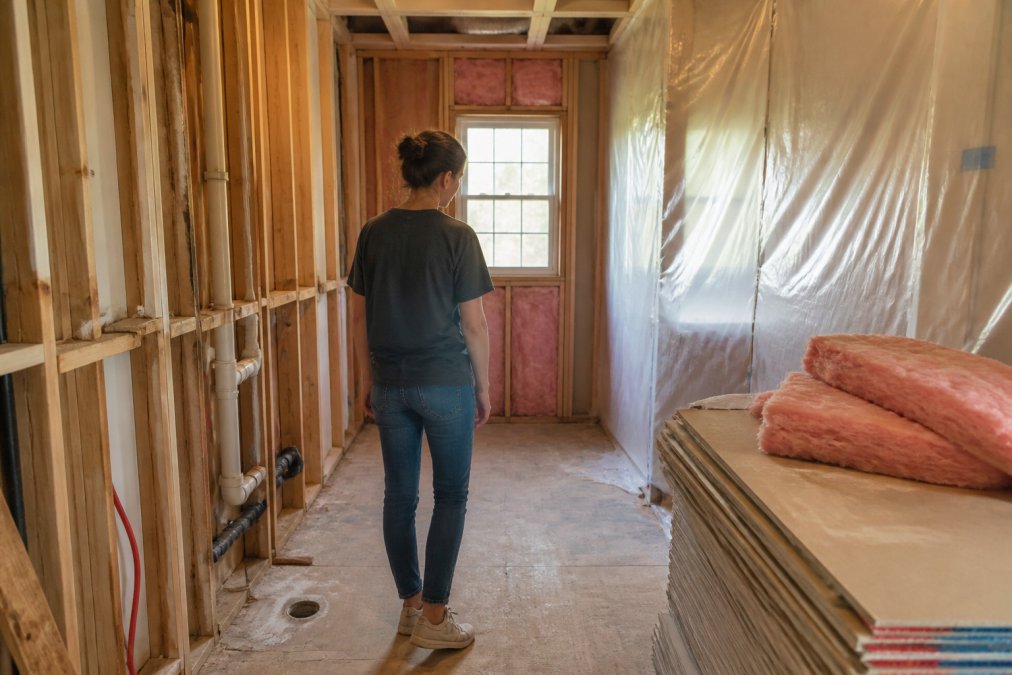
Most homeowners have only one bathroom, and living without it for 4-8 weeks requires planning. Understanding what to expect during construction helps you prepare practically and emotionally.
Creating a Realistic Project Schedule
A realistic project schedule accounts for each phase's duration, inspection delays, and material lead times. Your contractor should provide a detailed timeline before work begins, but understanding how timelines are built helps you track progress and anticipate delays.
Setting Milestones and Checkpoints
Breaking your project into milestones makes progress visible and helps identify delays early. Key milestones include permit approval, demolition completion, rough-in inspection pass, drywall completion, tile completion, fixture installation, and final inspection. Each milestone should have a target date, and your contractor should update you if dates shift.
Building in Buffer Time
Even well-planned projects experience delays. Material shipments are late, inspections take longer to schedule, or unexpected issues surface during demolition. Building 1-2 weeks of buffer time into your overall timeline accounts for these inevitable delays without creating panic when they occur.
Frequently Asked Questions
What is the average time it takes to complete a bathroom remodel?
A typical bathroom remodel timeline ranges from 4 to 12 weeks, depending on scope. A basic cosmetic update takes 4-6 weeks, while a full gut remodel with structural changes, new plumbing, and electrical work can extend to 10-12 weeks. Permitting adds 2-4 weeks. Your specific timeline depends on project complexity, contractor availability, and material lead times in your area.
Do I need a building permit for a bathroom remodel in South Carolina?
Yes. In South Carolina, bathroom renovations involving plumbing, electrical work, or structural changes require permits from your local building department. Permits protect your property, ensure code compliance, and are required for insurance coverage and property sales. The permitting process typically takes 2-4 weeks. Skipping permits can result in fines, failed inspections, and complications when selling your home.
What factors cause bathroom remodel delays?
Common delays include permit processing times, material lead times (fixtures and tile can take 4-8 weeks), discovering hidden damage during demolition, subcontractor scheduling conflicts, and weather-related issues. Supply chain disruptions in the Upstate region can extend timelines. Building inspections may require rework if code issues are found. Communicating clearly with your contractor and allowing buffer time in your schedule helps minimize unexpected delays.
How long can I expect to be without a bathroom during renovation?
Most homeowners lose bathroom access for 2-4 weeks during a full remodel. The demolition and rough-in phases are the most disruptive, lasting 1-2 weeks. After rough-in inspections pass, you can often use a temporary bathroom setup. Finish work (drywall, tile, fixtures) takes another 2-3 weeks. Plan ahead by using a guest bathroom, installing a temporary shower, or scheduling your project when you can stay elsewhere temporarily.
What is the hardest part of a bathroom remodel?
Unexpected structural or water damage discovered during demolition is often the biggest challenge. Old plumbing, hidden mold, or subfloor rot can add weeks and expense. Coordinating multiple subcontractors and inspections requires careful project management. Managing expectations around timelines and staying within budget are also difficult when surprises arise. Working with experienced, licensed contractors who can anticipate and address these issues early helps reduce complications.
How do material lead times affect my bathroom remodel timeline?
Material lead times are a major scheduling factor. Vanities, custom tile, and specialty fixtures can take 4-8 weeks to arrive. Standard materials typically ship in 2-3 weeks. Ordering materials early, ideally during the design phase, prevents delays. In the Upstate region, local supplier availability affects delivery times. Your contractor should confirm material availability and lead times before finalizing your project schedule to avoid costly delays waiting for items to arrive.