 listicle
Home Repairs to Increase Property Value Before Selling
Table of Contents
- Which Home Repairs to Increase Property Value Actually Pay Off
- High ROI Home Improvements: Ranked by Cost Recovery
- Pre-Listing Home Inspection Checklist: What Buyers Will Flag
- Cost of Home Repairs Before Selling: DIY vs. Professional
- The Psychological Impact of Repairs on Buyer Perception
- Maintenance vs. Improvement: How to Prioritize Your Renovation Budget
- Home Repairs to Increase Property Value: Your Action Plan
- Conclusion
Last Updated: August 22, 2026
Most homeowners underestimate how much unfinished repairs hurt their final sale price. Buyers notice everything, especially deferred maintenance. This guide from HOME MEDICS LLC breaks down which home repairs to increase property value before selling are worth your money, which ones you can skip, and how to prioritize when your budget is limited.
Which Home Repairs to Increase Property Value Actually Pay Off
Not every repair earns back its cost. Many homeowners overspend on improvements buyers don't value while ignoring the specific issues that kill deals.
Home repairs to increase property value before selling fall into two categories: maintenance repairs that prevent price reductions, and cosmetic upgrades that attract buyers and justify a higher asking price.
Maintenance repairs, fixing a leaky roof, patching plumbing leaks, or addressing cracked tiles, are non-negotiable. Buyers and inspectors will find them. Leaving them unaddressed signals neglect and gives buyers negotiating leverage. Cosmetic upgrades like kitchen refreshes or new flooring are optional but strategic.
According to the National Association of Realtors' Remodeling Impact Report, projects addressing buyer concerns about structural integrity and systems consistently recover more of their cost at resale than discretionary luxury upgrades.
The priority framework is simple:
- Fix anything that will fail a home inspection
- Address anything visible from the street or front door
- Refresh the kitchen and bathrooms with targeted updates
- Improve energy efficiency where cost is low relative to buyer appeal
High ROI Home Improvements: Ranked by Cost Recovery
The highest-returning projects remove buyer objections rather than add excitement. A buyer who falls in love with your home can still walk away over a failed inspection.
| Improvement | Cost Recovery Potential | Buyer Impact | DIY Feasible? |
|---|---|---|---|
| Garage door replacement | Very high | Strong curb appeal | No |
| Front door upgrade | High | First impression | Partial |
| Neutral interior paint | High | Broad buyer appeal | Yes |
| Kitchen refresh | High | Major decision driver | Partial |
| Bathroom vanity update | Moderate-High | Freshness signal | Partial |
| Hardwood floor refinishing | Moderate-High | Perceived quality | No |
| Landscaping and mulch | Moderate | Curb appeal | Yes |
| Energy-efficient fixtures | Moderate | Modern appeal | Partial |
| Full kitchen remodel | Low-Moderate | Diminishing returns | No |
Cost recovery depends on your local market, price tier, and competing listings.
Curb Appeal and Landscaping
Curb appeal is the first filter buyers apply before entering. A neglected exterior creates negative first impressions that color everything inside. A well-maintained exterior makes interior flaws easier to overlook.
Practical improvements include fresh mulch, trimmed hedges, power-washed driveway and siding, new mailbox, and updated house numbers and light fixtures. Many can be completed in a weekend.
Kitchen Refresh and Bathroom Vanity Updates
A full kitchen remodel rarely recovers its cost. A targeted refresh is different. The goal is removing features that make buyers hesitate, not building your dream kitchen.
High-impact, lower-cost moves include replacing cabinet hardware, repainting cabinet doors, installing a new faucet, replacing dated light fixtures, and resealing countertops.
Bathroom updates follow the same logic. A new vanity, updated mirror, modern faucet, and fresh caulk transform perception without full renovation. Even partial updates signal that a home has been cared for.
Garage Door and Front Door Replacement
These consistently rank among the highest-returning improvements. They are the two elements buyers see first and set the tone for the entire showing. A new garage door regularly approaches or exceeds cost recovery. Front door replacements deliver outsized returns relative to cost.
Flooring Updates and Neutral Paint
Flooring and paint determine whether a home feels move-in ready. Buyers who see stained carpet, scratched hardwood, or scuffed walls immediately calculate needed work, reducing their offer.
Hardwood floor refinishing is almost always worth the investment if floors are refinishable. It costs significantly less than replacement and dramatically improves perceived quality.
For paint, use a neutral palette in every room. Buyers need to visualize their own furniture and decor. Bold colors make that harder. According to research from the National Association of Realtors on home staging, neutral colors and decluttered spaces help homes sell faster at prices closer to asking.
Energy-Efficient Upgrades and Lighting Fixtures
Buyers increasingly factor utility costs into purchase decisions. Large-scale upgrades like solar panels involve significant upfront cost and complex ownership transfer, requiring careful evaluation.
Lower-cost improvements with strong appeal include smart thermostats, LED lighting, attic insulation top-ups, and weatherstripping.
Lighting fixtures deserve attention. Dated brass fixtures or builder-grade fans signal unmaintained homes. Replacing key fixtures in kitchens, bathrooms, and entryways is relatively low-cost with strong visual impact.
Pre-Listing Home Inspection Checklist: What Buyers Will Flag
A pre-listing home inspection identifies issues buyers will find, letting you address them on your timeline at your chosen price rather than negotiating under pressure after an offer.
Plumbing and Electrical Repairs
Plumbing and electrical issues are most likely to derail sales or trigger price reductions. Buyers treat these as safety and liability concerns.
Plumbing red flags:
- Visible leaks under sinks or around fixtures
- Slow drains indicating blockages
- Water stains on ceilings or walls
- Dripping faucets or running toilets
- Low water pressure
- Cracked tiles allowing moisture intrusion
Electrical red flags:
- Outdated electrical panels
- Outlets without GFCI protection in kitchens and bathrooms
- Non-functional switches or outlets
- Exposed wiring in attics, basements, or garages
- Aluminum wiring in older homes without proper updates
David Reynolds, a HOME MEDICS LLC client, hired the team to work through repairs before listing. His account: quality work helped him get top dollar. That outcome is common when repairs are addressed proactively.
Structural and Cosmetic Red Flags
Inspectors and buyers look for structural compromise and deferred maintenance:
- Diagonal cracks near door frames and windows indicating foundation movement
- Water stains on ceilings indicating roof or plumbing leaks
- Soft spots in flooring suggesting subfloor moisture damage
- Gaps around window and door frames
- Signs of pest activity
Address drywall cracks professionally. Seamless texture matching requires skill; poorly patched walls draw more attention than original cracks.
Cost of Home Repairs Before Selling: DIY vs. Professional
The DIY vs. professional decision depends on skill required, consequence of error, and buyer detection ability.
| Repair Type | DIY Appropriate? | Risk of DIY Error | Buyer Detection |
|---|---|---|---|
| Interior painting | Yes | Low | Moderate |
| Landscaping and mulch | Yes | Very low | High |
| Caulking and weatherstripping | Yes | Low | Moderate |
| Fixture replacement (lighting) | Partial | Moderate | High |
| Plumbing repairs | No | High | High |
| Electrical work | No | Very high | High |
| Drywall patching | Partial | Moderate | Very high |
| Flooring refinishing | No | High | Very high |
| Garage door replacement | No | High | Immediate |
The cost includes contractor invoices plus the cost of a buyer's inspector flagging amateur repairs and resulting negotiating leverage. For high-visibility repairs, professional execution is risk management, not luxury.
According to [the U.S. Department of Housing and Urban Development's guidance on home repair and(/services) improvement | hud.gov], unpermitted or improperly executed electrical and plumbing work creates disclosure obligations and complicates sales significantly.
Get detailed quotes for realistic estimates on your specific property.
The Psychological Impact of Repairs on Buyer Perception
Buyers make emotional decisions and justify them rationally. The moment a buyer enters your front door, they form an impression anchoring every subsequent judgment. A neglected home creates a buyer questioning everything. A maintained home creates a buyer imagining living there.
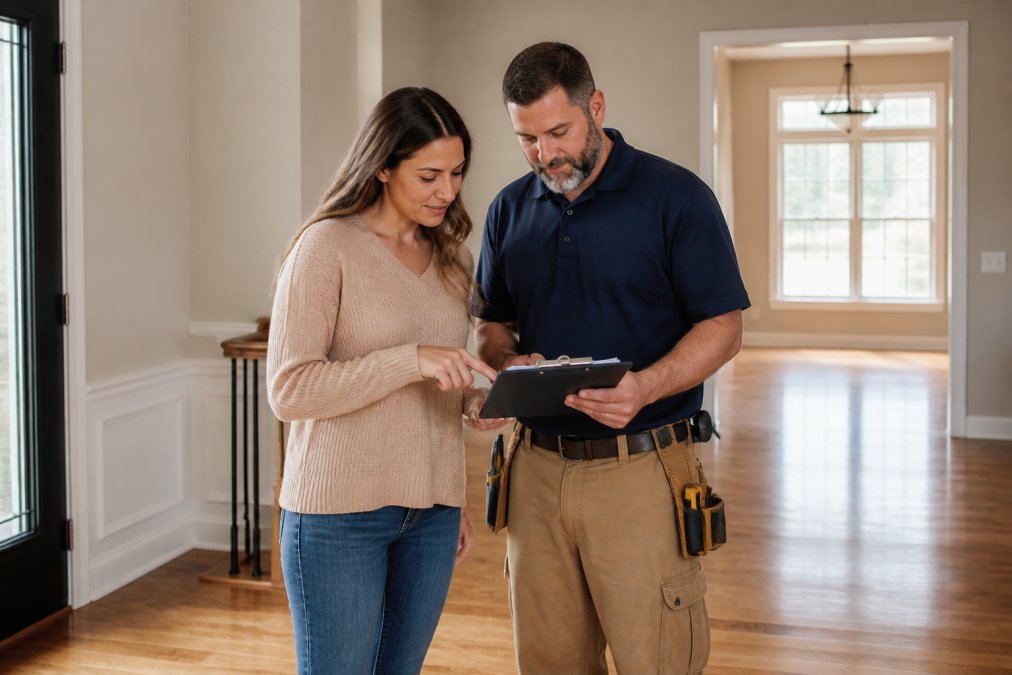
The specific repairs driving this shift are not always the most expensive. A clean, freshly caulked bathroom, a front door with new hardware, and neutral paint throughout communicate care. They signal that previous owners respected the property and the home is unlikely to have hidden surprises.
Buyers form primary impressions within 30 seconds of entering. Repairs affecting that window, the entry, main living area, and kitchen, deserve disproportionate budget attention.
Maintenance vs. Improvement: How to Prioritize Your Renovation Budget
Maintenance restores something to original functional condition. Improvement upgrades beyond that baseline. This distinction is most important for allocating pre-sale budget.
Maintenance repairs are non-negotiable. They protect asking price. Improvements are optional and should only be pursued when cost is clearly justified by expected return in your market.
Prioritization order:
- Fix safety and system issues first. Electrical, plumbing, HVAC, and structural concerns are deal-killers.
- Address visible deferred maintenance. Peeling paint, broken fixtures, cracked tiles, damaged gutters signal neglect.
- Improve curb appeal. Landscaping, exterior cleaning, front door, garage door set first impression.
- Refresh high-traffic interior spaces. Kitchen and bathrooms, focused on fixtures and finishes rather than full remodels.
- Consider targeted cosmetic upgrades. Flooring, neutral paint, lighting only where existing condition is below market expectation.
Regional market variance matters. In strong seller's markets, buyers accept more deferred maintenance. In balanced or buyer's markets, the same issues trigger larger reductions or cause walkways. Understand your local conditions before committing budget.
Amanda Thompson, a HOME MEDICS LLC client, uses the team for seasonal maintenance and describes service as reliable, thorough, and reasonably priced. Ongoing maintenance prevents the deferred maintenance backlog making pre-sale repairs expensive and stressful.
Home Repairs to Increase Property Value: Your Action Plan
Home repairs to increase property value require structured approach, not reactive response.
Six to eight weeks before listing:
- Schedule pre-listing home inspection to identify buyer-flagged issues
- Get professional estimates for plumbing, electrical, or structural repairs
- Prioritize repairs by safety/systems first, then visible maintenance, then cosmetic upgrades
Four to six weeks before listing:
- Complete plumbing and electrical repairs
- Address drywall cracks, water stains, and structural cosmetic issues
- Replace or refinish flooring where condition is below market standard
- Schedule garage door and front door upgrades if budget allows
Two to four weeks before listing:
- Complete interior painting in neutral palette
- Update kitchen hardware, faucets, and lighting fixtures
- Refresh bathroom vanities, caulk, and fixtures
- Install energy-efficient lighting throughout
One to two weeks before listing:
- Complete exterior cleaning and landscaping
- Replace exterior light fixtures and house numbers
- Final walkthrough for anything signaling deferred maintenance
- Schedule professional photography after repairs complete
Home repairs are most effective when planned and executed sequentially. Rushing repairs in final weeks often results in visible quality issues undermining the entire effort.
For comprehensive pre-sale repair projects, working with a single licensed and insured contractor coordinating multiple trades is significantly more efficient than managing separate vendors. HOME MEDICS LLC handles comprehensive pre-sale repairs, plumbing, electrical, carpentry, and cosmetic updates, under one roof with clear communication and on-time completion.
Get your free estimate before your listing timeline gets tight.
Preparing a home for sale involves dozens of decisions. The cost of getting those decisions wrong is measured in negotiating use and final sale price. HOME MEDICS LLC provides licensed, insured home repair and renovation services covering everything on the pre-sale checklist: plumbing and electrical repairs, drywall and carpentry, kitchen and bathroom refreshes, and cosmetic upgrades that move buyers from interested to committed. Get a free estimate from HOME MEDICS LLC and go into your listing with confidence that your home is showing at its best.
Frequently Asked Questions
What home repairs offer the highest return on investment?
Garage door replacement, front door upgrades, fresh neutral paint, and kitchen refreshes consistently rank among the highest-return projects for resale value. Curb appeal improvements and flooring updates also deliver strong cost recovery because they shape a buyer's first impression before they even step inside. Fixing plumbing leaks and addressing electrical issues is equally important, deferred maintenance signals risk to buyers and can tank an offer or appraisal.
How much should I spend on home repairs before selling?
The cost of home repairs before selling depends on your home's condition, local market expectations, and your price point. A common guideline is to spend on repairs that return more than their cost at closing, and to prioritize maintenance issues over cosmetic upgrades. A pre-listing inspection helps identify which repairs are non-negotiable versus optional. For an accurate renovation budget tailored to your home, request a free estimate from a licensed contractor before committing to any project.
Should I fix everything before selling my house?
No. Focus on repairs that protect marketability and resale value rather than attempting a full renovation. Structural repairs, plumbing leaks, and electrical issues must be addressed because inspectors will flag them. High ROI home improvements like neutral paint, updated lighting fixtures, and a bathroom vanity refresh add buyer appeal without large outlays. Skip major additions or luxury upgrades unless your local market and price bracket specifically reward them.
Do minor cosmetic repairs really increase home value?
Yes, and the impact goes beyond dollars. Cosmetic upgrades like fresh neutral paint, cracked tile replacement, and updated lighting fixtures directly affect buyer perception during home staging and property appraisal. Buyers form emotional judgments within seconds of entering a home. A property that looks well-maintained signals to buyers that deeper systems, plumbing, electrical, insulation, have been cared for too, which reduces negotiation pressure and supports a stronger sale price.
What are the most common red flags home buyers flag during inspections?
Inspectors and buyers most commonly flag plumbing leaks, outdated or undersized electrical panels, roof damage, signs of water intrusion, cracked tiles, and HVAC systems past their service life. A pre-listing home inspection checklist helps sellers address these issues before they become buyer leverage. Deferred maintenance items carry outsized weight, buyers often request dollar-for-dollar credits or walk away entirely when structural or safety concerns appear in the inspection report.
This article was written using GrandRanker