
 how-to
How to Verify Contractor Insurance and License in Greer, SC
Table of Contents
- Why Verifying a Contractor's Insurance and License Matters for Greer Homeowners
- Required Contractor License Types in South Carolina
- How to Use the SC LLR License Lookup Tool
- How to Ask a Contractor for Proof of Insurance
- Risks of Hiring Unlicensed Contractors in South Carolina
- Local Licensing and Permit Requirements in Greer
- Red Flags of Fraudulent Contractors and What to Do If You've Hired One
- Frequently Asked Questions
Last Updated: September 19, 2026
Why Verifying a Contractor's Insurance and License Matters for Greer Homeowners
Before you hand over a deposit for a kitchen remodel or a roof repair, you need to know exactly who is working on your property and whether their contractor insurance is current. Learning how to verify contractor insurance and license is the single most important step in protecting your home and your wallet. This guide from HOME MEDICS LLC walks you through the exact process, from the state database to reading an insurance certificate.
Required Contractor License Types in South Carolina
South Carolina groups contractor licenses into two main categories based on the type of work and its value. Knowing which one your project requires helps you spot an unqualified bidder fast.
The two core license types are:
- Residential builder: For home construction and remodeling, including single-family homes.
- Commercial contractor: For commercial buildings and larger structures.
Residential vs. Commercial Licenses
A residential license covers homes. A commercial license covers businesses and multi-unit buildings.
How to Use the SC LLR License Lookup Tool
The SC LLR license lookup is a free public database. It shows whether a contractor holds an active license, what type, and whether any disciplinary action exists.
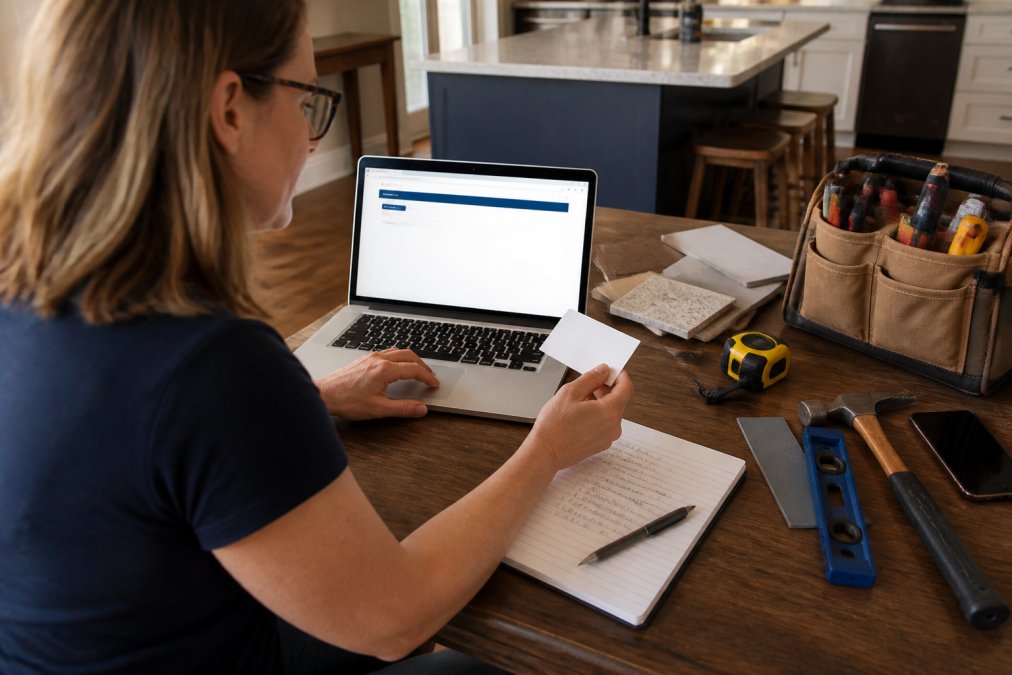
Here's the step-by-step process:
- Go to the SC LLR website and open the licensee lookup portal.
- Choose the search type, such as by name or license number.
- Enter the contractor's full legal name or license number.
- Review the results: license type, status, and expiration date.
- Check for any disciplinary action or complaints on record.
- Screenshot the result and save it with your project files.
How to Ask a Contractor for Proof of Insurance
Asking for proof of insurance is straightforward once you know what to request. The key document is a certificate of insurance, often called a COI. It's a one-page summary your contractor's insurance agent issues from the actual policy. Most ranking guides stop at "ask for a COI." That's not enough. A COI is easy to print, easy to fake, and easy to let lapse. Here's how to actually verify it.
Request these coverages at minimum:
- General liability insurance: Covers property damage and third-party injuries caused by the contractor's work.
- Workers' compensation: Covers injuries to the contractor's own crew while they're on your property.
- Commercial auto (if they drive to your job): Covers damage if a company vehicle hits your fence, mailbox, or parked car.
What to Look for on a Certificate of Insurance
A COI has a few fields that matter most:
- Named insured: Must match the contractor's legal business name, not a nickname, not a DBA that doesn't trace back to a registered entity.
- Policy effective dates: Confirm coverage is active on the day work starts and runs through the expected completion date.
- Coverage limits: Look for the general liability per-occurrence and aggregate limits, and the workers' comp employer's liability limits.
- Certificate holder: Ask to be listed here. It doesn't give you rights under the policy, but it does trigger notice if the policy is canceled.
- Additional insured endorsement: For larger projects, ask to be added as an additional insured. This is a separate endorsement, not just a line on the COI, and it gives you direct protection under the contractor's policy.
How to Actually Verify the COI Is Real and Active
A COI is a snapshot, not a guarantee. Policies can be canceled the day after it's issued, and a canceled policy still shows up on an old certificate. To confirm coverage is live:
- Call the insurance agent listed at the bottom of the COI. Use the phone number on the certificate, not one the contractor gives you.
- Ask the agent to confirm the policy number, named insured, effective dates, and current status.
- Ask the agent to email you a fresh COI directly. A document that comes straight from the insurer is far harder to fake than one printed at home.
- For projects running past the policy expiration date, request an updated COI before the old one lapses.
Coverage Limits: What's Reasonable for a Greer Home Project
There's no single number that fits every job, but a common pattern in residential work is a general liability policy with at least $1 million per occurrence and $2 million aggregate. For larger renovations, some homeowners ask for higher limits or an umbrella policy. Workers' comp limits in South Carolina are set by statute, so the employer's liability portion on the COI will reflect the state minimums unless the contractor carries more.
Risks of Hiring Unlicensed Contractors in South Carolina
Hiring an unlicensed contractor in South Carolina exposes you to costs no warranty will cover. The risks stack up fast.
Here's what you're actually exposed to:
- No recourse through the state board. The licensing board can only act against licensed contractors.
- Insurance gaps. An unlicensed contractor often carries no liability or workers' comp coverage.
- Permit problems. Unlicensed work may fail inspection, and you may have to pay to redo it.
- Resale trouble. Unpermitted work can surface during a home sale and stall the deal.
- Injury liability. If a worker is hurt on your property, you could be on the hook.
Local Licensing and Permit Requirements in Greer
Greer adds its own layer of rules on top of state requirements, and this is where most homeowners get confused. A South Carolina state contractor license and a City of Greer business license are two different things. Holding one does not automatically mean the contractor holds the other.
Here's the distinction:
- State license (SC LLR): Proves the contractor is qualified to perform a specific trade, residential building, commercial building, electrical, plumbing, HVAC, and so on. This is the credential you look up in the state database.
- City of Greer business license: A local privilege license required to operate a business inside city limits. It's issued by the city, not the state, and it doesn't prove trade competence, only that the business is registered locally.
- Building permit: A project-specific approval from the city or county that authorizes the actual work. Permits are tied to the address and scope of your job, not to the contractor's general credentials.
Who Pulls the Permit, and Why It Matters
Most structural, electrical, plumbing, and HVAC work in Greer requires a building permit. In most cases, the licensed contractor pulls the permit, because the permit is issued to the license holder responsible for the work. If a contractor asks you to pull the permit as the homeowner, that's a signal they may not be licensed for that scope of work, or they're trying to keep their name off the record.
Before work begins, ask:
- Will you pull the permit, or will I?
- What's your state license number, and what trade does it cover?
- Do you hold a current City of Greer business license?
- Will the work be inspected, and at what stages?
- Who schedules the inspections, you or me?
How to Check Local Credentials in Greer
- Contact the City of Greer's business license office to confirm the contractor holds a current city business license.
- Contact the Greer building permits office (or the appropriate county office if your address falls outside city limits) to confirm whether a permit has been issued for your address and scope of work.
- Ask for the permit number once it's issued, and check that the inspections are being scheduled and passed.
For anyone searching for a handyman near me in Greer, the same rule applies: ask for the license number and check it. Local expertise matters, but credentials come first.
Red Flags of Fraudulent Contractors and What to Do If You've Hired One
Most contractor fraud follows a predictable script. Learning the red flags helps you catch it before you lose money.
Watch for these signs:
- Cash-only demands with no written contract.
- Large upfront deposit requests, often half the job or more.
- Pressure to decide today or a "deal expires" line.
- No physical address or a PO box only.
- Door-to-door pitches after a storm.
- No license number on the estimate or truck.
- Reluctance to show the COI.
If you've already hired an unlicensed contractor, act quickly:
- Stop further payments until you confirm credentials.
- Document everything: texts, contracts, photos, receipts.
- Contact the SC LLR to report the issue.
- File a complaint with the South Carolina Department of Consumer Affairs.
- For suspected fraud, contact local law enforcement.
Frequently Asked Questions
How do I check if a contractor is licensed in South Carolina?
Go to the SC LLR website and use the licensee lookup tool. Enter the contractor's name, business name, or license number. Confirm the license status is active and that the license type matches your project, such as residential or commercial. Check for any disciplinary actions on the record. If the contractor claims to be licensed but no record appears, ask for their license number in writing and verify it yourself before signing anything.
What insurance should a home repair contractor in Greer, SC have?
A contractor working in Greer should carry general liability insurance and workers' compensation coverage. General liability protects your property if the contractor damages it during the job. Workers' comp covers injuries to workers on your property. Ask for a certificate of insurance showing both types, with coverage dates that match your project timeline. Call the insurance company listed on the certificate to confirm the policy is active and has not lapsed.
Can I look up a contractor's license number online in SC?
Yes. The SC LLR provides a free online database where you can search by license number, contractor name, or business name. The results show the license type, current status, expiration date, and any disciplinary history. If a contractor gives you a license number, run it through the lookup before work begins. A legitimate contractor will not hesitate to provide this information when you ask for proof of insurance and licensing.
What happens if I hire an unlicensed contractor in South Carolina?
Hiring an unlicensed contractor in South Carolina leaves you with limited legal recourse if the work is defective or the contractor disappears. You may face failed inspections, required rework by a licensed professional, and out-of-pocket costs for permits that were never pulled. Your homeowner's insurance may deny claims related to unpermitted or improperly completed work. In some cases, you could be held responsible for injuries that occur on your property if the contractor carried no workers' compensation coverage.