 how-to
Bathroom Remodel Timeline for Single Bathroom Homes
Table of Contents
- Understanding Your Bathroom Remodel Timeline
- Average Bathroom Remodel Duration: What to Expect
- Phase-by-Phase Breakdown of Your Renovation
- Bathroom Renovation Permit Requirements in Greer
- How to Survive a Bathroom Renovation Without a Bathroom
- Material Lead Times and Supply Chain Impact
- Common Renovation Delays and How to Avoid Them
- DIY vs. Professional Contractor Timelines
Last Updated: August 29, 2026
Understanding Your Bathroom Remodel Timeline
A bathroom remodel timeline for single-bathroom homes demands careful planning because you're working with zero buffer. Unlike homeowners with multiple bathrooms, you cannot simply close one door and move on with your life.
The average bathroom renovation takes between 4 to 8 weeks when executed by professional contractors (nahb.org). That timeline assumes standard demolition, plumbing rough-in, electrical work, drywall, tile, and fixture installation. Your actual timeline depends on permit approval speed, material availability, structural changes, and contractor scheduling.
At HOME MEDICS LLC, we work with homeowners in Greer and the surrounding area who face this exact challenge. Most clients with single-bathroom homes ask: how do I manage my family's daily life while the only bathroom is torn apart? The answer requires understanding not just how long the work takes, but how to structure the project so your household remains functional.
The timeline breakdown below accounts for the reality of single-bathroom renovations: phased construction, temporary solutions, and the specific permits required in your area.
Average Bathroom Remodel Duration: What to Expect
Most bathroom remodels range from 4 to 8 weeks, though duration depends heavily on scope and complexity. A straightforward small bathroom typically takes closer to 4 weeks. A master bathroom with structural modifications, custom tile work, or high-end fixtures can stretch to 10 weeks or beyond.
Small Bathroom vs. Master Bath Scope
A small bathroom, typically 35 to 50 square feet, involves less demolition debris, shorter plumbing runs, and fewer fixtures (ada.gov). These projects commonly finish in 4 to 6 weeks.
A master bathroom renovation is larger in scope. More square footage means more drywall, tile, plumbing and electrical runs. Adding a double vanity, larger shower enclosure, or heated floors extends the timeline. Master bath remodels frequently take 7 to 10 weeks.
Scope also determines material lead times. Standard vanities arrive in 2 weeks (nkba.org). Custom-built vanities or specialty tile can take 6 to 8 weeks. If your design includes items on backorder, your entire project waits.
Factors That Extend Your Timeline
Structural issues discovered during demolition, rotted subfloors, unexpected plumbing, outdated electrical wiring, add 1 to 2 weeks immediately. Code compliance requires these fixes.
Material delays are now standard. Even common items like tile, fixtures, and hardware experience 2 to 4 week lead times. Specialty materials stretch to 8 weeks or longer.
Permit approval timelines vary by jurisdiction. Some areas approve bathroom permits within days; others take 2 to 3 weeks.
Contractor availability impacts your schedule. If your contractor juggles multiple projects, phased scheduling extends total calendar time, even if actual labor hours remain the same.
Phase-by-Phase Breakdown of Your Renovation
Understanding each phase helps you anticipate what's coming and plan temporary solutions accordingly.
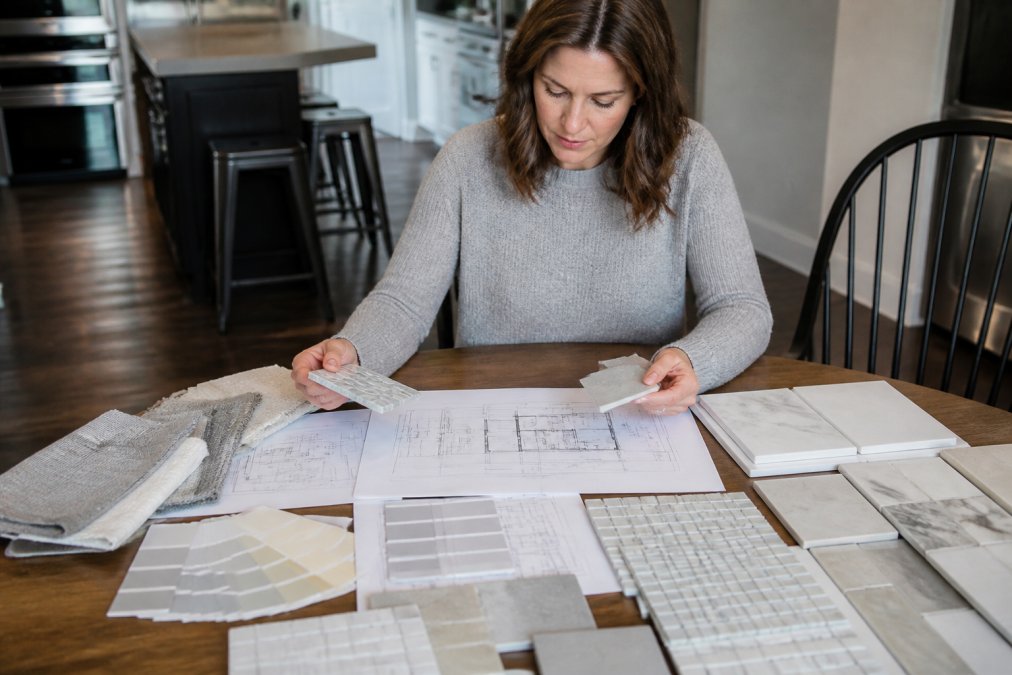
Planning and Design (1-2 Weeks)
Before any work begins, you need a clear plan: design consultation, material selection, and scope finalization. If working with a designer, this stretches to 2 to 3 weeks. If you've already decided on design and materials, this compresses to 3 to 5 days.
During this phase, select your contractor, get detailed estimates broken down by phase, and determine whether permits are required.
Demolition and Site Preparation (1-2 Weeks)
Demolition is faster than most expect, often 2 to 4 days for a single bathroom. Your contractor removes fixtures, tears out drywall, and hauls debris. Real time in this phase is site preparation: addressing structural issues, rerouting plumbing if necessary, and preparing surfaces.
If you discover structural problems, water damage, mold, rotted framing, this phase extends significantly.
Rough-In Work: Plumbing, Electrical, and HVAC (1-2 Weeks)
Rough-in work installs plumbing lines, electrical wiring, and ventilation before walls close. This typically takes 3 to 5 days for a standard bathroom. Relocating fixtures, adding circuits, or installing heated floors extends to 1 to 2 weeks.
Rough-in work must be inspected before drywall installation. Inspection scheduling depends on your local permitting office.
Drywall, Waterproofing, and Tile Work (2-3 Weeks)
Drywall installation takes 2 to 3 days. Tape and mud work takes another 3 to 5 days, plus drying time between coats. Waterproofing adds 2 to 3 days. Tile work is the longest phase: layout, substrate preparation, setting tile, and grouting typically takes 1 to 2 weeks depending on tile size, pattern complexity, and square footage.
Custom tile patterns or large-format tiles extend this timeline significantly.
Fixture Installation and Finish Carpentry (1-2 Weeks)
Once tile and waterproofing are complete, your contractor installs the vanity, toilet, faucets, lighting, mirrors, and hardware. Fixture installation typically takes 2 to 4 days. Finish carpentry, trim work, caulking, and painting add another 3 to 5 days.
Custom vanities or built-in shelving extend this phase. Late fixture arrivals pause it entirely.
Punch List and Final Inspections (3-5 Days)
The punch list is the final walkthrough identifying touch-ups or incomplete work. Most punch lists take 1 to 3 days to complete. Final inspections by the permitting office happen after punch list work is done.
Bathroom Renovation Permit Requirements in Greer
Bathroom renovations in Greer require permits when the scope involves structural changes, plumbing modifications, electrical work, or mechanical systems. Most bathroom remodels fall into this category.
The permit process typically takes 1 to 2 weeks for review, though it can stretch longer if the department requests clarifications. After rough-in work is complete, the building department schedules an inspection verifying that plumbing, electrical, and HVAC work meets code. You cannot cover walls or install drywall until rough-in inspection passes.
A final inspection happens after all work is complete. Working with a licensed contractor familiar with Greer's permitting process accelerates approval. HOME MEDICS LLC handles the permitting process directly, eliminating delays caused by incomplete applications or missing documentation.
How to Survive a Bathroom Renovation Without a Bathroom
This is the practical reality of single-bathroom home renovations. You need a strategy, not just patience.
Temporary Bathroom Solutions
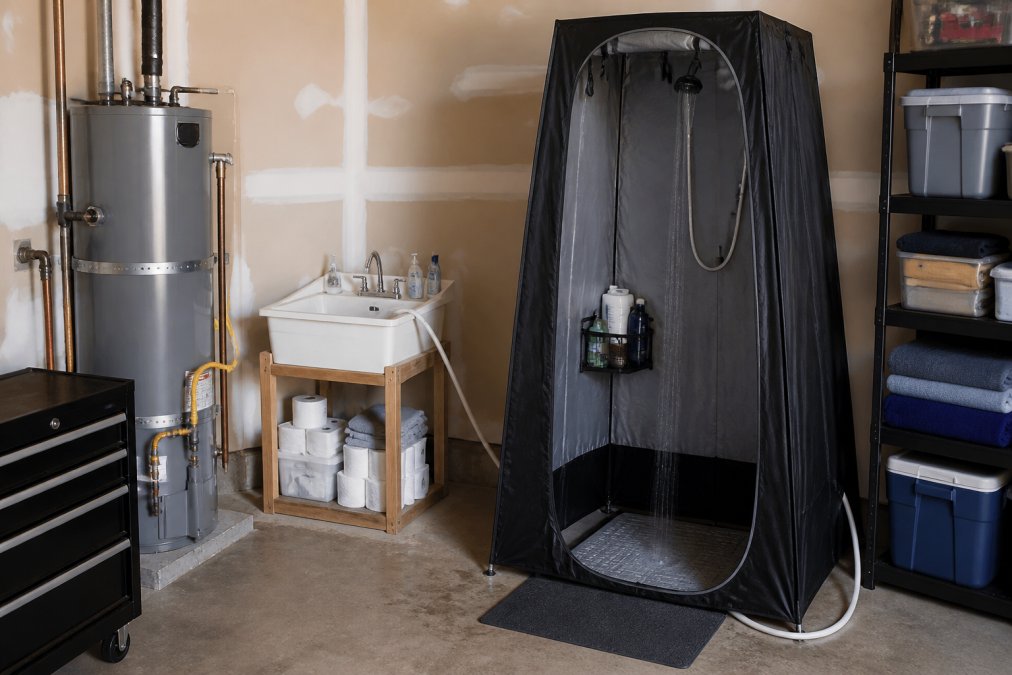
The most reliable temporary solution is a portable shower tent with a camp shower system. These cost between $100 and $400 and can be set up in a garage, basement, or outdoor space. Alternatively, rent a portable toilet and shower unit from a party rental company for $150 to $300 per week. This solution is more comfortable for families with young children or elderly members.
For toilet access, a portable camping toilet or rented porta-potty works. Many families use a combination: a rented shower unit for bathing and a portable toilet for other needs.
Daily Life Adjustments and Logistics
Plan your schedule around your contractor's work hours. Schedule showers at a gym, community center, or friend's house during demolition and rough-in work. Stock extra supplies: paper towels, hand sanitizer, wet wipes, and bottled water.
Coordinate bathroom schedules within your household. Stagger showers so you're not all competing for the temporary solution at once. Use laundromats during renovation if your washer and dryer are near the bathroom.
Phased Construction Schedules for Minimal Disruption
The most effective strategy for single-bathroom homes is phased construction. Instead of demolishing the entire bathroom at once, your contractor works in phases: demolition and rough-in happen first, then drywall and tile while you still have access to temporary facilities, then fixtures are installed in the final phase.
Some contractors can prioritize toilet installation in the rough-in phase, even if the shower and sink wait. This significantly reduces household disruption. Another approach: rent a temporary bathroom unit for only the demolition and rough-in phases (2 to 3 weeks).
The key is clear communication with your contractor. Experienced contractors in Greer understand single-bathroom home challenges and can adjust their workflow to minimize disruption.
Material Lead Times and Supply Chain Impact
Material availability is now the most unpredictable factor in bathroom renovation timelines. Standard materials typically arrive within 2 to 4 weeks. Specialty materials take 6 to 8 weeks or longer.
Order long-lead items during the planning phase, before permits are approved. This way, materials arrive while rough-in work is underway, eliminating delays. Communicate with your contractor about material lead times so they identify which items require early ordering.
Common Renovation Delays and How to Avoid Them
Permit delays occur when the building department requests additional documentation. Avoid this by working with a contractor who submits complete, accurate applications. Schedule your rough-in inspection as soon as work is complete rather than waiting.
Structural surprises during demolition are unavoidable, but budget 1 to 2 weeks for potential delays. Contractor scheduling conflicts occur when your contractor juggles multiple projects. Clarify upfront whether your contractor will have dedicated crews or intermittent work.
Material delays are minimized by ordering early and confirming delivery dates with suppliers. Weather delays affect projects with outdoor components or exterior access.
DIY vs. Professional Contractor Timelines
DIY bathroom renovations take significantly longer than professional work. A homeowner working weekends might complete a simple bathroom renovation in 3 to 6 months. The same project takes a professional crew 4 to 6 weeks.
For single-bathroom homes, DIY is particularly challenging. You're living in the home while working on it, limiting available time. Most DIY projects extend far beyond initial estimates.
A hybrid approach, professional rough-in work and DIY finish work, can reduce costs while keeping the timeline reasonable. This typically takes 6 to 8 weeks total, with professionals handling time-critical phases.
For most homeowners in Greer, professional installation is worth the cost. The timeline is predictable, the work meets code, and the result is reliable. HOME MEDICS LLC offers transparent timelines and clear communication throughout the project.
| Phase | Typical Duration | Permits Required | Impact on Timeline |
|---|---|---|---|
| Planning & Design | 1-2 weeks | Permit application submitted | Sets material order dates |
| Demolition & Site Prep | 1-2 weeks | Permit approval needed | Structural issues extend this phase |
| Rough-In Work | 1-2 weeks | Rough-in inspection required | Inspection scheduling affects timeline |
| Drywall, Waterproofing, Tile | 2-3 weeks | None | Material availability is critical |
| Fixture Installation | 1-2 weeks | None | Fixture delivery dates must align |
| Punch List & Final Inspection | 3-5 days | Final inspection required | Last step before completion |
Living through a bathroom renovation in a single-bathroom home requires strategy, but it's manageable with the right planning and support. The timeline for a professional bathroom remodel typically spans 4 to 8 weeks, depending on scope, permits, and material availability.
HOME MEDICS LLC has guided Greer homeowners through this process. We handle permitting, coordinate material delivery to avoid delays, and structure phased construction to minimize disruption to your daily life. Our licensed, insured team delivers transparent timelines and clear communication at every phase. Get a free estimate and discuss your specific situation with our team. We'll create a realistic timeline tailored to your home and help you prepare for the temporary solutions that work best for your household.
Frequently Asked Questions
Q: What is the typical timeline for a bathroom remodel in a single-bathroom home?
A: Most single-bathroom remodels take 4 to 8 weeks from start to finish, depending on scope and complexity. Small cosmetic updates may take 2 to 3 weeks, while full gut renovations with structural changes can extend to 10 to 12 weeks. Permit delays, material lead times, and unexpected structural issues are the primary factors that extend timelines. Working with a licensed contractor helps you establish a realistic schedule and identify potential delays early.
Q: How do I survive a bathroom renovation without a bathroom?
A: Plan for temporary solutions before demolition begins. Rent a portable toilet and shower unit, use a neighbor's or family member's bathroom, or install a temporary shower in another room. Schedule your renovation during seasons when you can access outdoor facilities if needed. Phased construction schedules allow you to keep one working toilet and sink during the project. Discuss phasing options with your contractor to minimize disruption to your daily routine.
Q: What are the bathroom renovation permit requirements in Greer?
A: Bathroom renovations in Greer require building permits when they involve structural changes, plumbing modifications, electrical work, or fixture relocation. You must submit plans, pay permit fees, and pass inspections at rough-in and final stages. Permit processing typically takes 5 to 10 business days. Your contractor should handle permit applications and scheduling inspections. Contact the City of Greer Building Department for current fees and requirements before starting your project.
Q: What factors cause bathroom renovation delays?
A: Common delays include permit processing backlogs, material shortages or long lead times for specialty fixtures, unexpected structural damage discovered during demolition, subcontractor availability, and inspection scheduling conflicts. Hidden mold, plumbing issues, or electrical problems uncovered once walls are open can add weeks. Building in a 1 to 2-week buffer into your timeline accounts for these contingencies. Clear communication with your contractor about potential delays helps you plan accordingly.
This article was written using GrandRanker